
A Taste of Morocco: The Ultimate Street Food Guide
To truly understand the soul of this country, you must dive into the vibrant, spice-scented world of Moroccan street food. It is a sensory journey that begins the moment you step through the ancient stone gates of a medina. You are met with the rhythmic clatter of copper, the distant call to prayer, and a dizzying array of aromas that pull you in every direction.
The streets are not just thoroughfares; they are communal dining rooms where history is served in clay bowls and wrapped in paper. From the bustling, narrow alleys of Fes to the salt-sprayed corners of Essaouira, every bite tells a story of trade, tradition, and the land. To eat on the street here is to participate in a centuries-old social fabric, a ritual of connection that transcends language.
The Heart of the Morning
For many, a warm bowl of Harira is the true heart of Moroccan street food. This ubiquitous tomato and lentil soup, fragrant with ginger and turmeric, provides a comforting, hearty start to the day or a restorative evening meal. Whether you are grabbing a quick bowl during Ramadan or a casual lunch, its velvety texture and earthy warmth are universal.
If you prefer something a bit more textural, look for the bakers. Msemmen, a flaky, layered flatbread, is a staple of the morning ritual. You might find it served warm from a griddle, brushed with a hint of honey or spread with a generous layer of amlou. This almond and argan-based spread offers a rich, nutty sweetness that perfectly balances the savory notes of the bread.
For those with a sweet tooth, Baghrir is an absolute must. Often called "thousand hole" pancakes due to their unique texture, these light, spongy treats are perfect for dipping into honey. The sensation of the soft, airy sponge soaking up sweet syrups is a breakfast experience you won't soon forget.
Savory Traditions and Spice-Laden Wonders
When the sun begins to dip and the heat of the day softens, the savory offerings take center stage. Keep an eye out for Kefta skewers, where minced meat is seasoned with cumin and paprika, then grilled over glowing charcoal. The scent of smoke rising from the street-side grills is an irresistible siren song for hungry travelers.
For a more sophisticated flavor profile, seek out B’stilla. This savory-sweet masterpiece—often made with chicken or pigeon, layered with almonds and dusted with cinnamon—is a testament to the complex palate of the region. Finding a vendor who masters this delicate balance of spice and sweetness is like discovering a hidden treasure.
Beyond the sweets and savory pies, you will encounter various tajines and quick-serving clay pot dishes. While often enjoyed in a riad, many vendors offer smaller, portable versions of these slow-cooked wonders. The steam rising from a fresh tajine, carrying the scent of preserved lemons and olives, is the ultimate invitation to slow down and savor the moment.
A Taste of the Regions
Morocco is a land of diverse landscapes, and the food reflects this beautifully. In coastal cities like Essaouira, the air is thick with the scent of the sea, and the street food follows suit. Here, you will find fresh seafood, particularly grilled sardines, served straight from the catch. The salt-kissed flavor of the fish, cooked simply over fire, is a highlight of the Atlantic coast.
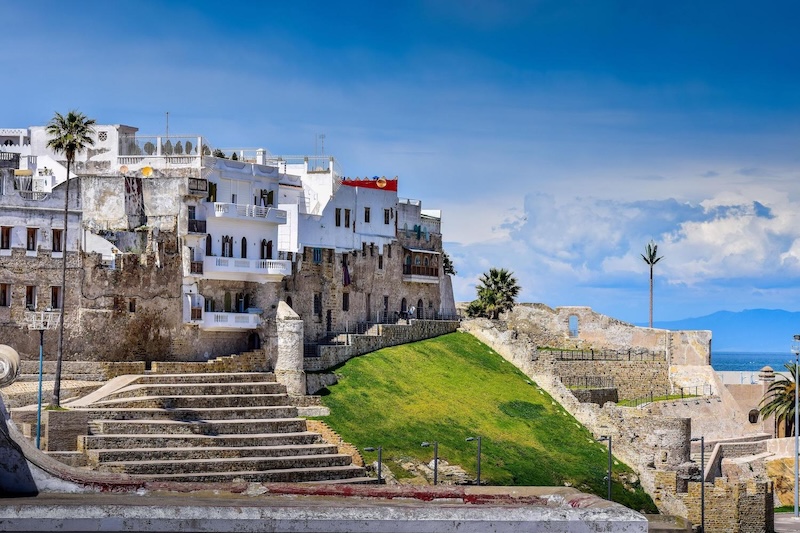
Moving toward the north, such as in Tangier, you will notice subtle Mediterranean influences in the ingredients and preparations. In contrast, the desert regions offer more robust, spice-heavy dishes influenced by nomadic traditions. The meats here are often more intensely seasoned, reflecting a history of traveling through rugged, arid terrain.
This regional diversity means that your palate will never grow bored. A spice blend in the mountains will differ significantly from one used in the coastal plains. Embrigating these shifts in flavor is essential to experiencing the full breadth of the country's culinary identity.
Mastering the Art of the Safe Stall
Learning to select a safe stall is a vital part of the journey when exploring Moroccan street food. The golden rule is to look for high turnover. Seek out the places where locals are queuing; a busy stall is a sign of freshness and high-quality ingredients that rotate quickly.
Avoid any vendor where ingredients are sitting out in the sun for extended periods. You want to see food being prepared fresh or served piping hot from the heat. Always observe the hygiene of the prep area; if you see a messy workspace or an abundance of flies, it is better to move on to the next vendor.
For travelers with sensitive stomachs, a good strategy is to stick to cooked, hot food. While the idea of a fresh salad is tempting, vegetables in the medina are often washed in local tap water, which can be a risk. Choosing a steaming bowl of soup or a freshly grilled skewer is generally much safer and provides that essential warmth.
Navigating the Tourist Traps
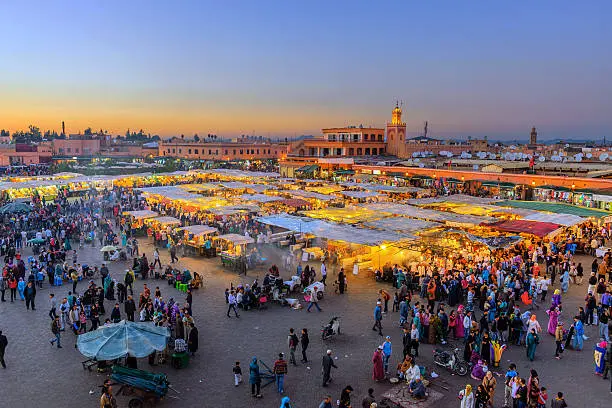
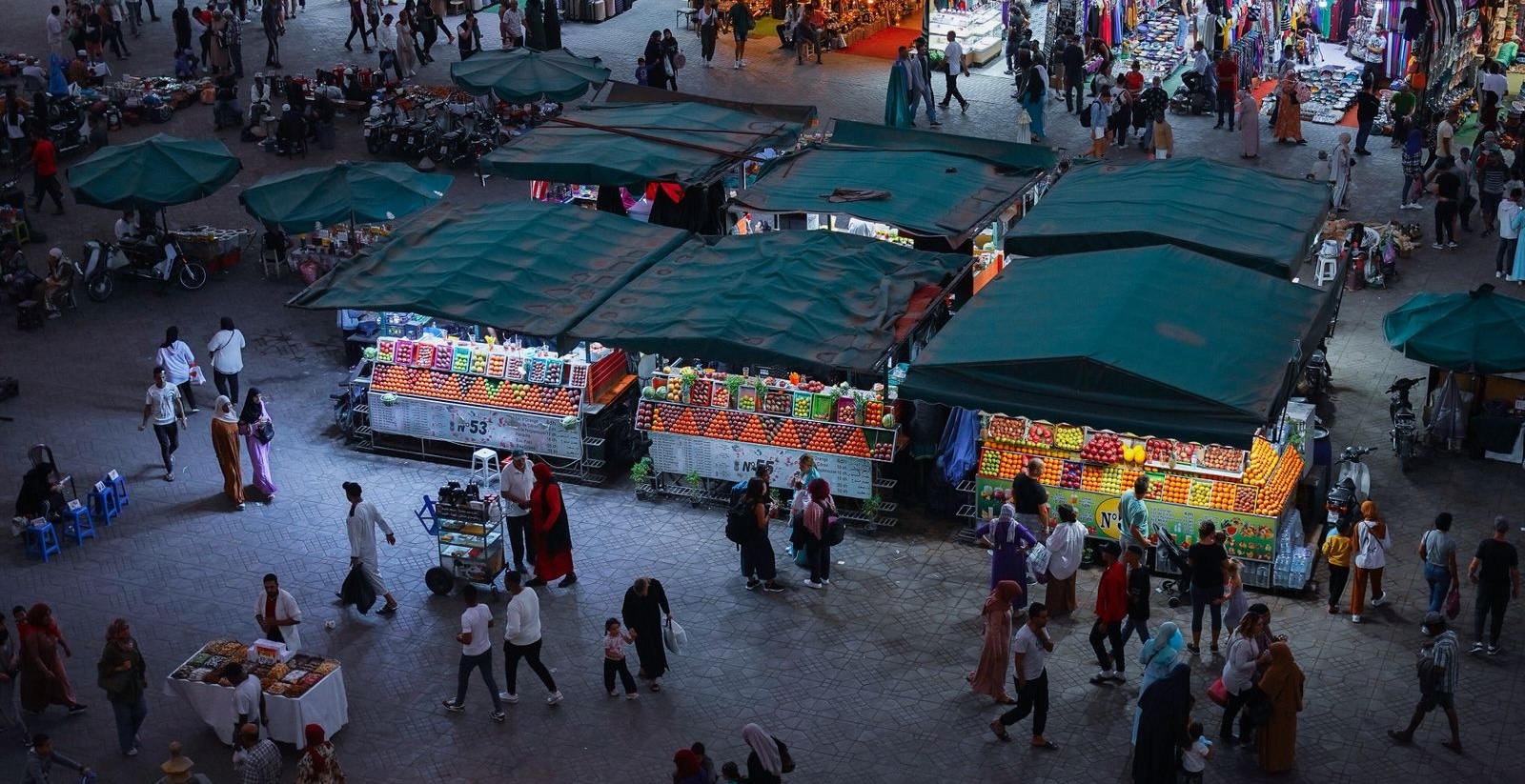
In high-traffic areas like Marrakech's Jemaa el-Fnaa, it is easy to fall into the trap of overtourism. Some stalls in these massive squares cater specifically to tourists, often offering exaggerated flavors or inflated prices. While the atmosphere is electric, the most authentic gems are often found just a few streets away.
The best way to find genuine flavors is to wander. Move away from the main squares and into the narrower, more residential streets of the medina. It is in these quieter alleys, where the pace slows down, that you will find the family-run stalls serving recipes passed down through generations.
Be prepared for sensory overload—the noise, the heat, and the sudden bursts of color are all part of the magic. Don't be afraid to ask a local for their favorite snack; they will often point you toward a tucked-away corner that no guidebook could ever find. The goal is to move beyond the spectacle and find the substance.
The flavors of Morocco are a gateway to its history and its people. Every spice, every texture, and every shared meal is an opportunity to connect with a culture that is as warm as its sun. Don't just visit Morocco; taste it.
Ready to taste your way through the authentic flavors of Morocco? Our team specializes in creating deep-dive culinary itineraries that take you far beyond the tourist menus—reach out and let us plan your perfect journey.