
The Soul of the Maghreb: A Guide to Moroccan Hospitality
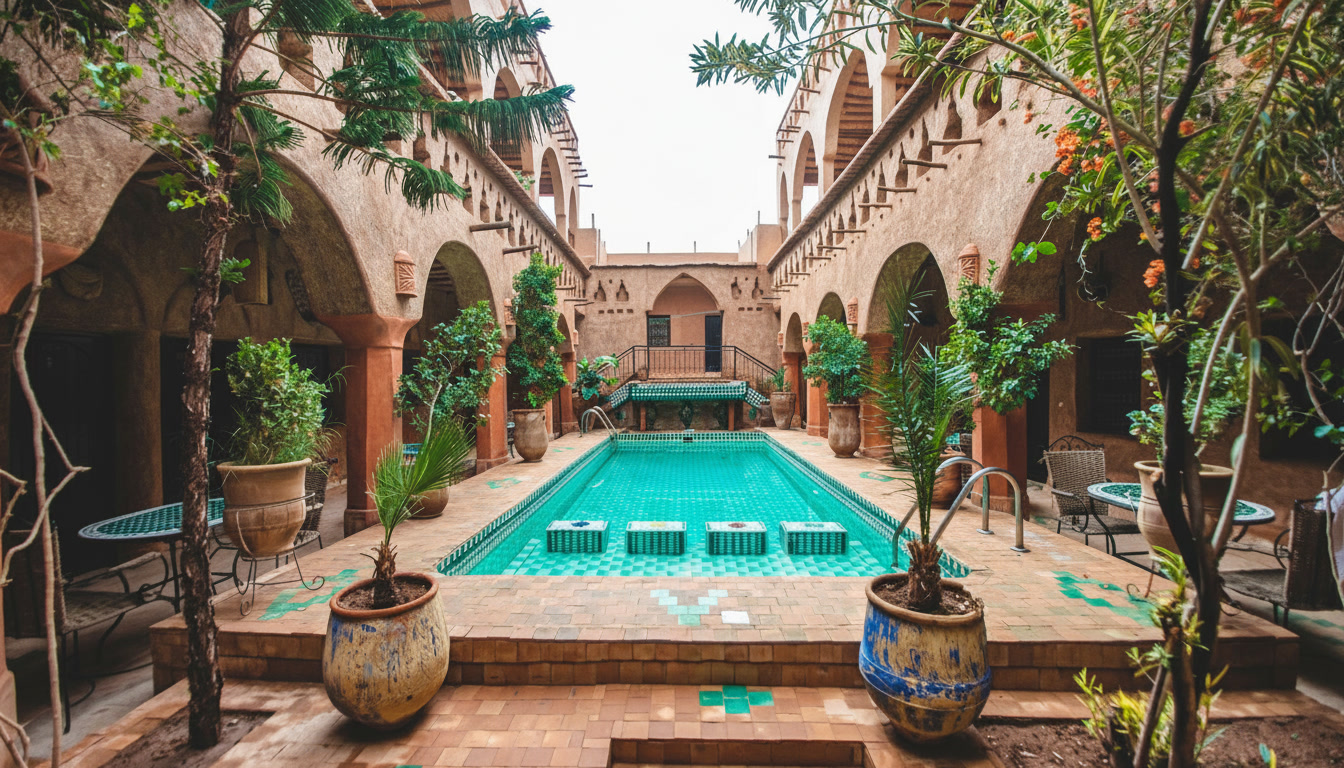
To understand the true heart of this country, one must look beyond the vibrant souks and the intricate tilework of the riads. You must look into the eyes of a host offering you a seat, a glass of tea, and a piece of warm bread. To understand the pulse of our streets and the stillness of the desert, you must understand the depth of Moroccan hospitality.
It is more than a polite gesture; it is a way of life that has survived through centuries of change. For the traveler, it is often the most profound and lasting memory of their journey.
From the Atlas to the Sahara: The Sacred Origins of Welcome
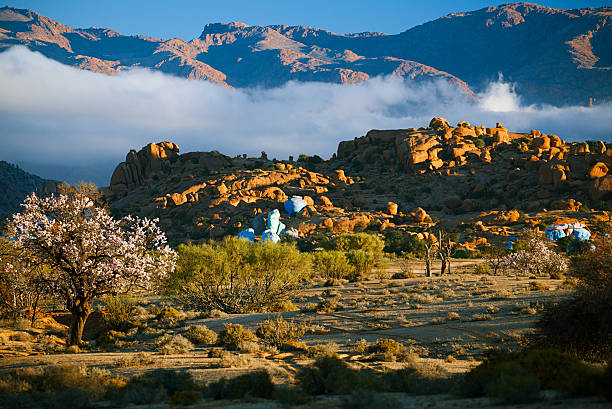
The roots of this legendary warmth are buried deep in the shifting sands of the Sahara and the rugged peaks of the Atlas Mountains. Historically, the diverse landscapes of Morocco demanded a code of survival. In these harsh environments, providing refuge to a passing traveler wasn't just a kindness—it was a vital necessity for survival.
This tradition is a beautiful tapestry woven from indigenous Amazigh (Berber) values and Islamic principles of generosity. In many homes, a guest is not viewed as an interruption, but as a blessing from God. This brings us to the concept of Baraka, or divine grace.
The presence of a guest is believed to bring luck and spiritual favor to a household. When you walk through a door in a remote village, you aren't just a visitor; you are an instrument of grace. This belief ensures that even the most modest home will offer its best to those who enter.
The Liquid Gold: The Ritual of Mint Tea
If hospitality had a scent, it would be the sharp, refreshing aroma of fresh mint and heavy sugar. The ritual of serving Maghrebi mint tea is the central heartbeat of social interaction in Morocco. It is the moment where time slows down and conversation begins.
The preparation is an art form in itself. Green tea is combined with generous handfuls of fresh mint and sugar, then poured from a height into small, colorful glasses. This high pour is intentional; it creates a beautiful layer of foam on the surface, known as the "turban," and ensures the tea is perfectly aerated and mixed.
The tea ceremony is much more than a caffeine fix; it is a structured ritual of respect. The sound of the tea hitting the glass—a rhythmic, splashing melody—signals the transition from the bustle of the day to a moment of connection. In many social settings, the tea is served at specific intervals, marking the transitions of daily life and the beginning of meaningful dialogue.
The Communal Table: Sharing Life Through Food
In Morocco, dining is rarely a solitary affair. It is a communal experience designed to foster unity and equality. Traditional meals, such as a steaming vegetable couscous or a slow-cooked lamb tagine, are often served in large, central dishes meant to be shared by everyone at the table.
The sensory experience of a shared meal is overwhelming in the best way. Imagine the steam rising from a clay tagine, carrying the scent of saffron, cumin, and preserved lemon, while everyone gathers around a single vessel. This practice emphasizes that everyone at the table is equal, regardless of their status or background.
There is also a specific etiquette to follow when eating with your hands, which is a common practice where bread is used as a utensil. It is strictly required to use only the right hand, as the left hand is traditionally reserved for personal hygiene. Bread itself holds a sacred status; it is rarely wasted and is often broken by hand to signify the sharing of life-sustaining nourishment.
City Courtyards and Nomadic Tents: Two Worlds of Welcome
While the spirit remains the same, the expression of hospitality can change depending on where you stand. There is a notable distinction between urban and rural customs. In cities like Fez or Meknes, hospitality often follows more formal, structured protocols influenced by centuries of merchant and courtly traditions.
In these urban settings, you might find yourself in a grand riad, where the service is polished and the etiquette is refined. Conversely, in rural or nomadic Berber communities, hospitality is centered on the concepts of protection and refuge. In the desert or the mountains, the host takes full responsibility for the guest's safety and well-being.
This traditional code of honor is a cornerstone of tribal identity. In the wilderness, a guest is under the host's protection, a bond as strong as any contract. Whether in a palace or a tent, the core intention remains: you are welcome, you are safe, and you are family.
The Respectful Traveler: Navigating Modernity and Etiquette
Modernity has introduced new layers to these ancient customs, sometimes creating tension between authentic tradition and the commercialization of tourism. In high-traffic zones like Marrakech, the tea ritual can occasionally feel performative—a transaction between service provider and traveler.
However, the essence of the connection can still be found if you approach it with intention. Travelers are often advised that while refusing tea can be seen as a slight, a polite, soft refusal is generally understood. Conversely, accepting food and drink is a vital way to engage with the local culture and show respect for the gesture.
To navigate these waters gracefully, keep a few key etiquette tips in mind:
- Show deference to elders: They are typically served first and should be given the seat of honor.
- Respect the right hand: Always use your right hand for eating or passing items to others.
- Embrace the abundance: A host may continue to offer food long after you are full. This is a sign of generosity; you can politely decline by placing your hand over your heart as a sign of gratitude.
- Acknowledge the meal: Showing appreciation through verbal thanks is a crucial part of the reciprocal social bond.
By honoring these small gestures, you move from being a mere spectator to a participant in the beautiful dance of Moroccan life.
Ready to experience the warmth of the Maghreb for yourself? Whether you are wandering through the blue streets of Chefchaouen or trekking through the golden dunes of Merzouga, the people of Morocco are waiting to welcome you. Pack your curiosity, bring an open heart, and prepare to be moved by the most genuine hospitality in the world.