
Morocco's Economic Evolution: From Ancient Caravans to Modernity
The scent of roasted cumin and the rhythmic clatter of donkey hooves on cobblestone streets have defined Moroccan commerce for centuries. To walk through a bustling medina is to walk through a living ledger of trade, negotiation, and survival.
While many travelers see only the vibrant colors of the textiles or the intricate geometry of a zellij tile, there is a deeper, more complex story unfolding beneath the surface. Understanding the history of how this nation built its wealth provides a window into the stability and hospitality guests experience today. To truly grasp the modern landscape, one must trace the steps of Morocco's economic evolution from the ancient caravan routes to the high-speed rails of the present day.
The Legacy of the Great Caravan Routes
Centuries ago, the heartbeat of the kingdom was found in the slow, steady pulse of the trans-Saharan trade. Caravans, consisting of hundreds of camels, would emerge from the heat haze of the desert, carrying precious gold, salt, and fine textiles from sub-Saharan Africa toward the Mediterranean coast.
These routes were more than just paths for goods; they were conduits for ideas, languages, and artistry. The wealth generated by this exchange built the magnificent palaces and fortified kasbahs that still stand as testaments to imperial power. In these ancient markets, the exchange of goods was a sensory symphony of heavy silken fabrics and the metallic ring of silver coins.
This early era established Morocco as a vital crossroads, a position that remains central to its identity. The ability to bridge different worlds through trade created a resilient foundation for the generations that followed. It taught the kingdom how to navigate complex geopolitical landscapes while maintaining a unique, sovereign spirit.
Navigating the Era of Transformation
The 20th century brought profound changes that reshaped the nation’s trajectory. During the period of the French and Spanish protectorates, the structure of the economy began to pivot toward more modern, albeit complex, industrial and agricultural models.
This era introduced new infrastructure, from deep-water ports to organized irrigation systems, which laid the groundwork for modern development. However, it was the struggle for independence in 1956 that truly defined the next chapter of Morliness's economic evolution.
The transition from colonial rule to a sovereign state required a delicate balance of reclaiming national identity while modernizing the bureaucracy. This period was marked by a heavy focus on nation-building, as the country worked to unify its diverse regions under a single, cohesive economic vision. It was a time of hard work, characterized by the dust of construction and the determination of a new generation of leaders.
The Backbone of Natural Wealth
As the nation stabilized, it leveraged its vast natural resources to secure a place on the global stage. Morocco sits atop some of the world’s largest phosphate reserves, a resource often referred to as "white gold." This strategic commodity has become a cornerstone of the national budget and a key driver of industrial growth.
Beyond the mines, the fertile plains of the north and the valleys of the Atlas Mountains have long supported a robust agricultural sector. The sight of endless olive groves and orange orchards provides not just food, but a sense of stability for rural communities. This balance between mineral wealth and agricultural tradition has created a diversified economic base.
The management of these resources has allowed the state to invest heavily in social infrastructure. By utilizing the revenue from phosphates and agriculture, the government has been able to fund the very roads and schools that connect the modern traveler to the remote mountain villages. This resource-driven stability is the silent engine behind the country’s consistent growth.
A Modern Mediterranean Powerhouse
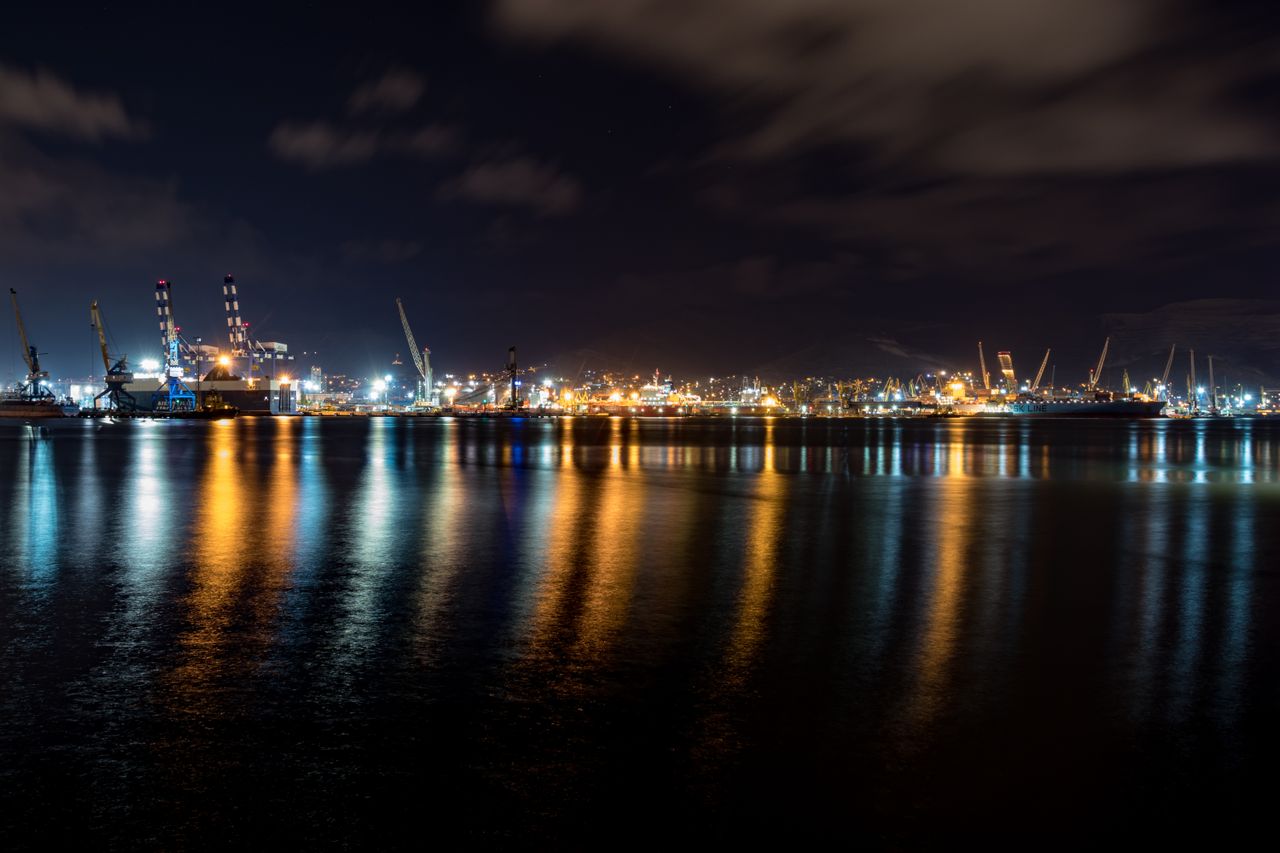
Today, the landscape is changing even faster than the desert sands shift during a sirocco wind. Morocco has successfully pivoted toward high-tech industries, renewable energy, and world-class logistics. The Tanger Med port, one of the largest in the Mediterranean, stands as a monument to this new era, handling massive container ships that connect Africa to the rest of the world.
The introduction of the Al Boraq, Africa’s first high-speed train, symbolizes this leap into the future. Traveling between Tangier and Casablanca at incredible speeds, the train represents a nation that is no longer just looking at its history, but sprinting toward its future. Similarly, the Noor Ouarzazate solar complex reflects a commitment to sustainable energy, harnessing the desert sun to power a modernizing society.
This shift toward technology and green energy is a critical part of Morocco's economic evolution. It has transformed the nation from a primarily agrarian society into a budding industrial hub for automotive and aerospace manufacturing. For the visitor, this means a seamless blend of traditional charm and modern efficiency, where a luxury train can whisk you between historic cities with ease.
The Living Economy of Hospitality
While heavy industry and trade drive the national numbers, the heartbeat of the local economy remains deeply human. Tourism is one of the most significant contributors to the GDP, acting as a bridge between the country's history and its future. The hospitality sector is not just a business; it is a cultural practice refined over a thousand years.
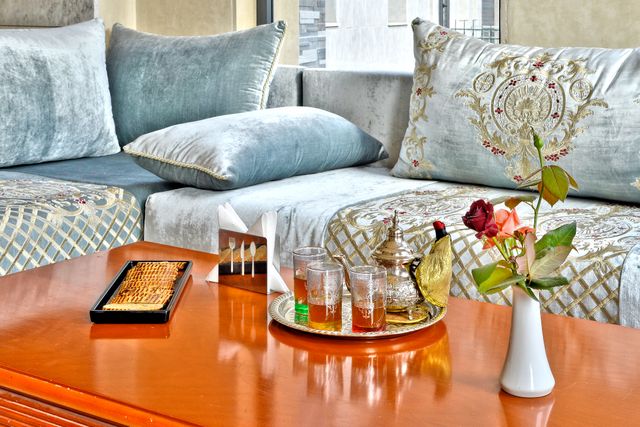
When a guest stays in a restored riad or dines on a slow-cooked tagine in a family-run restaurant, they are participating in a vital economic cycle. This industry supports millions of livelihoods, from the master artisans in the souks to the guides in the High Atlas. The vibrant colors of the spices and the warmth of a mint tea welcome are the tangible results of this service-driven economy.
This sector relies on the stability provided by the country's broader economic successes. As the nation grows more prosperous and connected, the ability to share its culture with the world becomes even more seamless. The economy is not just about numbers on a ledger; it is about the livelihoods of the people who make the Moroccan experience so unforgettable.
The deep history of trade and the rapid pace of modern development have created a country that is both stable and exhilarating. This unique blend of heritage and progress is what makes Morocco a destination like no other.
Want to experience this incredible journey firsthand? Our team knows the best routes to see how the old world meets the new—let us plan your perfect Moroccan itinerary.