
What to Know Before Visiting Morocco
The scent of orange blossom and toasted cumin often hits you before you even step foot in the medina, a sudden sensory shift that signals you have arrived in a different world. It is a transition that can be as overwhelming as it is exhilarating, moving from the organized pace of international travel to the rhythmic, bustling heartbeat of North Africa.
While the allure of the Sahara is immense, there is a layer of practical preparation required to ensure your journey remains seamless. What to know before visiting Morocco will turn your arrival from a moment of stress into one of wonder, allowing you to focus on the beauty around you rather than the logistics in your pocket.
Seamless Arrival and Entry
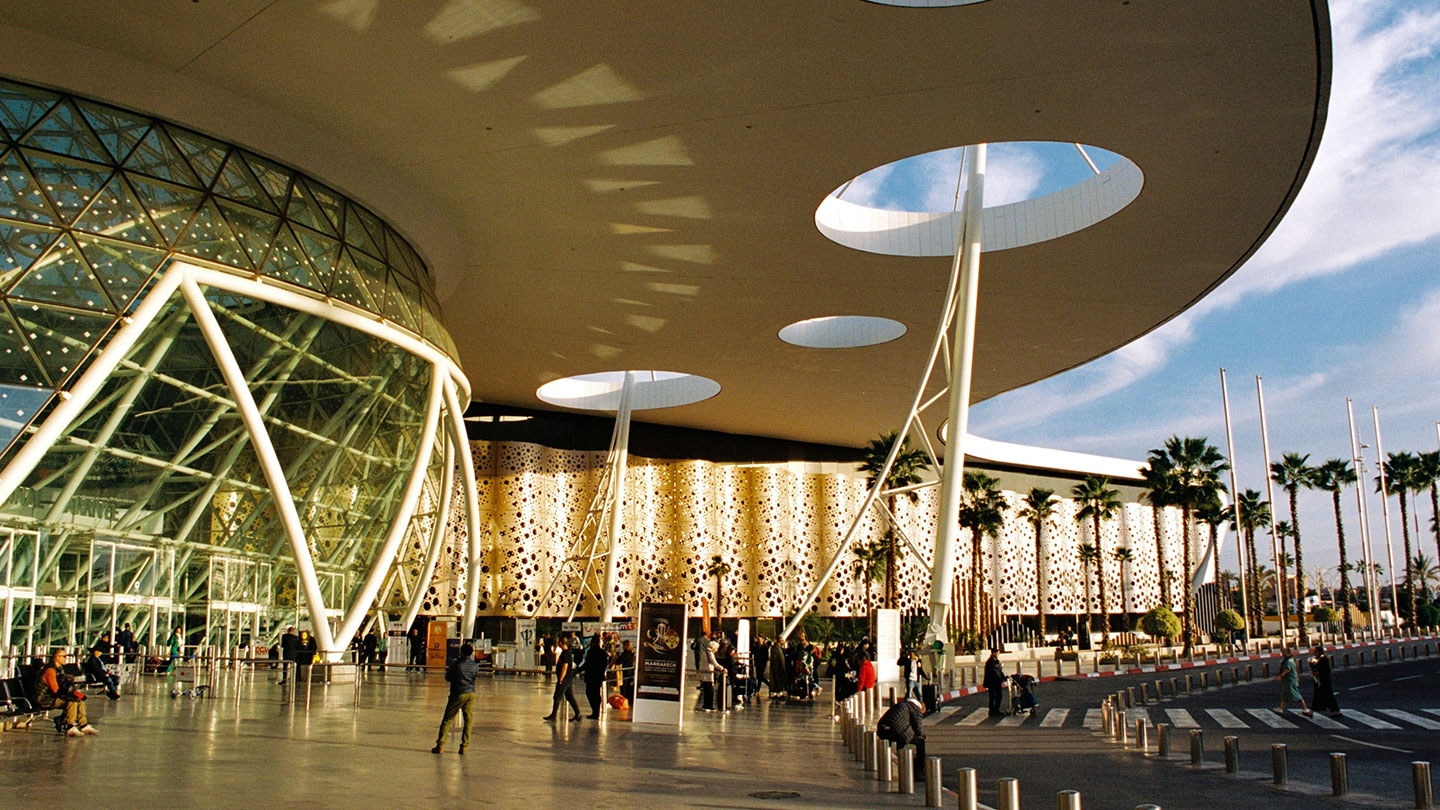
Stepping off a plane, you are immediately greeted by a shift in atmosphere, a warmth that is both literal and figurative. For most travelers from the US, UK, Canada, and the EU, the entry process is relatively straightforward, usually involving a 90-day visa-free period upon arrival. Just ensure your passport has at least six months of validity remaining to avoid any headaches at the border.
However, it is important to be prepared for the nuances of modern bureaucracy. While official entry stamps are increasingly being digitized, you should always have your proof of onward travel—such as a return flight booking—and your accommodation details readily available. Keeping these documents in a tidy folder will make the interaction with border officials much smoother as you transition from the airport to your first riad.
Mastering the Dirham
Once you have cleared customs, your first priority will likely be accessing local currency. The Moroccan Dirham (MAD) is a restricted currency, meaning it is difficult to convert back to your home currency once you leave, so it is wise to manage your cash carefully. We recommend withdrawing enough local currency from ATMs upon arrival to cover your initial expenses.
While high-end riads and boutique hotels in cities like Marrakech or Casablanca will happily accept Visa and Mastercard, the heartbeat of Morocco lives in the cash-only economy. In the winding alleys of the souks, the remote villages of the High Atlas, or the golden dunes of the Sahara, your plastic cards will be of little use. You should always carry enough physical cash to cover several days of supplies, especially when heading into regions where ATMs are either non-existent or frequently out of service.
Staying Connected and Conversational
In the modern age, staying connected is essential for navigating new streets and sharing your discoveries. For the most reliable coverage, especially if you plan to trek through the Rif Mountains or the remote desert regions of Merzouga, we recommend picking up a SIM card from Maroc Telecom. In the major urban hubs, Orange and Inwi also offer excellent data packages and competitive pricing.
Beyond the digital connection, there is the human one. While French is widely used for business and administration, and English is common among the younger generation, the local dialect, Darija, is the language of the heart. Learning a few basic phrases is a vital part of what to know before visiting Morocco. A warm "Salam Alaikum" (Peace be upon you) and a sincere "Shukran" (Thank you) will open doors and build rapport with locals much faster than any translation app.
Respecting Local Traditions
Morocco is a beautiful, conservative Muslim country, and understanding the local etiquette is key to a respectful and smooth trip. It is wise to dress modestly, particularly when you are in rural areas or visiting religious sites, to show respect for the local culture. For women, this generally means keeping shoulders and knees covered.
While you will find alcohol available in many luxury hotels and specific licensed restaurants, it is not widely sold in public spaces. It is best to avoid public intoxication and to be mindful of the local pace of life. Dressing in breathable, modest fabrics like linen will keep you comfortable while ensuring you navigate both the city and the village with grace.
Navigating Movement and the Art of the Haggle
Travel in Morocco can be an adventure in itself, whether you are taking a high-speed ONCF train between Tangier and Marrakech or navigating the local "Grand Taxi" system. While the trains are excellent and comfortable for traveling between major cities, Grand Taxis are shared vehicles that can be quite cramped and slow. If you prefer more comfort and privacy, booking private transfers is often the better way to move between remote locations.
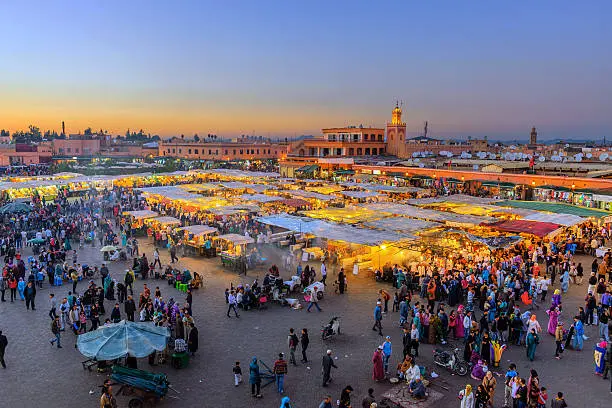
When you arrive at the marketplace, you will encounter the ritual of the haggle. Negotiating prices in the souks is not just expected; it is a social dance. However, once you have settled on a price, it is considered polite to complete the purchase. Beyond the markets, be wary of overly friendly locals offering unsolicited directions; while most are helpful, staying alert helps you avoid unnecessary fees. This balance of engagement and awareness is a core part of what to know before visiting Morocco.
Timing Your Journey
The timing of your visit can significantly impact your experience, as the landscapes of Morocco are subject to dramatic shifts. The best times to visit are typically spring (March to May) and autumn (September to November), when the weather is temperate and the scenery is at its most vibrant. During these months, you can enjoy the mountains without the biting cold and the desert without the overwhelming heat of summer.
Be aware that during the holy month of Ramadan, the atmosphere changes significantly. The pace of life slows, and many restaurants may be closed during daylight hours. While this can be a profound and beautiful cultural experience to witness, it requires careful planning if you are expecting full-service dining throughout the day. Ultimately, mastering these small details is the key to transitioning from a mere tourist to a seasoned traveler; this is the essence of what to know before visiting Morocco.
If you find yourself overwhelmed by the logistics of planning a journey through such a diverse landscape, we are here to help. Our team specializes in turning complex logistics into seamless, soul-stirring adventures—reach out to us and let us handle the details while you focus on the magic.