
The Best Time to Visit Morocco: A Seasonal Guide
Deciding on the perfect moment to land in the Maghreb is more than just a logistical necessity; it is the difference between a mere holiday and a soul-stirring adventure. Because Morocco’s geography spans from snow-capped peaks to sun-scorched dunes, there is no single answer to the question of timing. The best time to visit Morocco depends entirely on which landscape calls to your spirit.
The Golden Call of the Sahara
If your heart is set on the vast, rolling dunes of Merzouga or the wild sands of Zagora, timing is everything. The most magical months for a desert journey are between October and April, when the sun provides a gentle warmth during the day and the air turns crisp and refreshing at night. You can spend your afternoons trekking through the golden waves of Erg Chebbi and your evenings huddled around a crackling fire under a canopy of infinite stars.
However, summer in the desert is a different beast entirely. During July and August, temperatures can soar well above 40°C, turning the dunes into a furnace that makes trekking nearly impossible. While the heat is intense, the desert remains silent and vast, but for most travelers, the shoulder seasons of spring and autumn offer the most balanced experience. Just remember to pack layers, as the temperature can drop sharply once the sun dips below the horizon, leaving the desert air biting and cold.
Scaling the Atlas Peaks
For those drawn to the rugged majesty of the High Atlas and the Middle Atlas, the seasons are dictated by altitude. Spring is arguably the most enchanting time to explore these mountains, as the snow recedes to reveal carpets of wildflowers and the valleys turn a vibrant, lush green. The air smells of wild thyme and cedar, making trekking through areas like Imlil an absolute sensory delight.
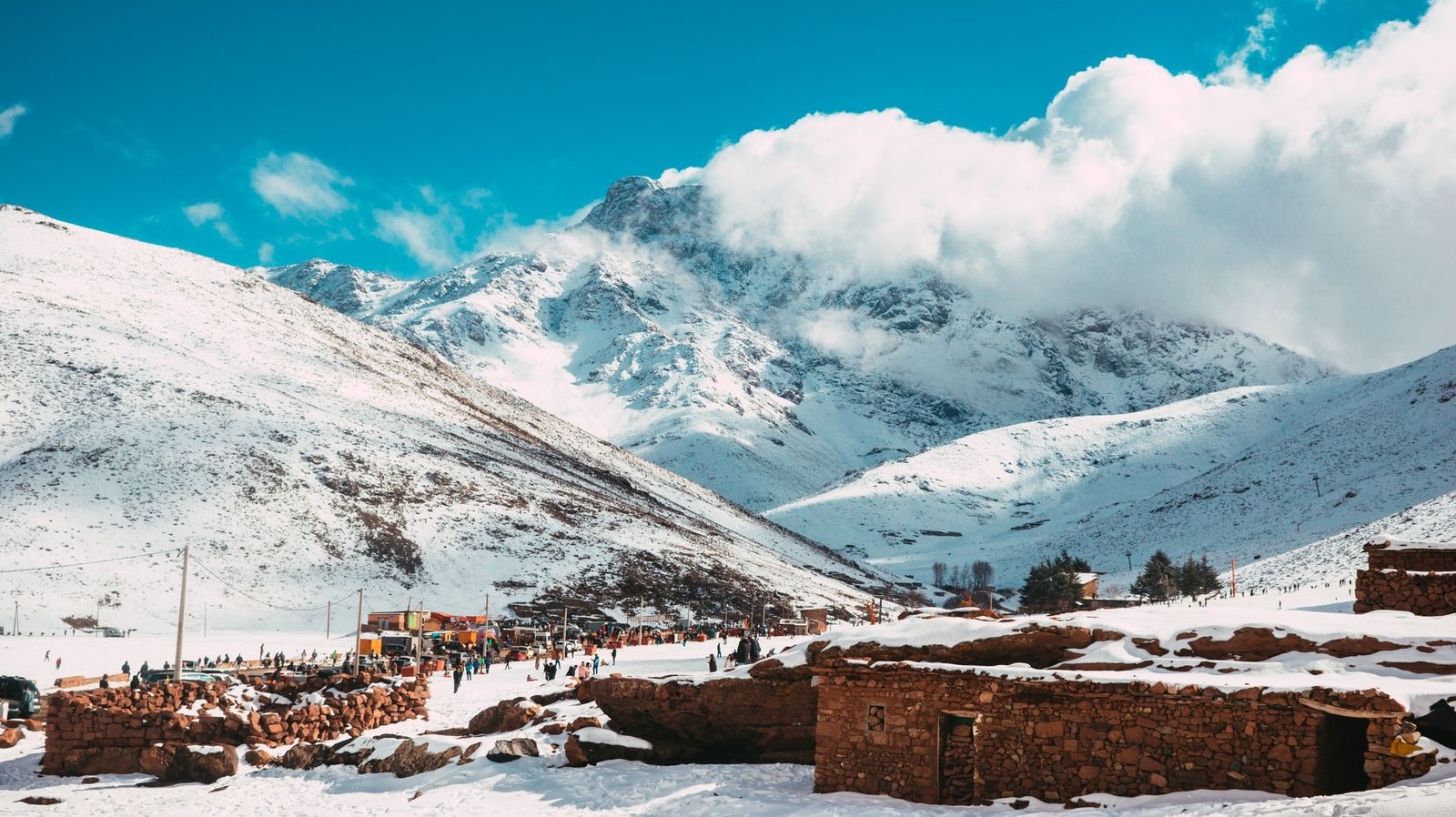
Winter, on the other hand, transforms the mountains into a dramatic, snow-dusted wonderland. While the peaks of Mount Toubkal become a playground for serious climbers, many high-altitude routes become inaccessible due to heavy snowfall. If you are seeking a more rugged, challenging experience, winter is unparalleled, but it requires specialized gear and a higher level of fitness. For a more temperate mountain escape, the summer months offer a cool refuge from the lowlands, though the valleys can still feel quite warm during midday.
Coastal Escapes and Atlantic Breezes
The Atlantic and Mediterranean coasts offer a completely different rhythm than the desert or the mountains. Coastal cities like Essaouira, Agadir, and Tangier remain relatively temperate year-round, making them reliable destinations regardless of the season. In the summer, the coast becomes a vital refuge for those looking to escape the sweltering heat of the inland cities.
In Essaouira, the famous trade winds provide a constant, salty breeze that is perfect for kitesurfing but can be quite bracing for those seeking quiet relaxation. Winter in the coastal regions is milder and far less crowded, though you should be prepared for the occasional rain and more unpredictable weather. Whether you are walking along the ramparts or listening to the crashing waves, the coast offers a refreshing change of pace from the intensity of the interior.
A Calendar of Cultural Wonders
For many, the best time to visit Morocco is dictated by the pulse of its festivals and traditional celebrations. In June, the Gnaoua World Music Festival in Essaouira fills the coastal streets with the hypnotic, rhythmic sounds of traditional percussion and spiritual chants. If you visit in May, the Rose Festival in Kelaat M'Gouna offers a sensory explosion, where the air is thick with the sweet, intoxicating scent of blooming damask roses.
The calendar is also punctuated by events like the Mawazine Festival in Rabat, one of Africa's largest musical gatherings, which brings an electric energy to the capital. For those seeking a deeper, more spiritual connection, various Sufi festivals offer moments of profound musical and cultural immersion. Planning your journey around these windows of celebration can turn a standard itinerary into a once-in-a-lifetime cultural immersion.
Navigating the Rhythms of Local Life
Understanding the human element is just as important as understanding the weather. Peak tourist seasons—typically spring and autumn—see the highest volume of travelers in major hubs like Marrakech, Fes, and Meknes. During these months, the riads are bustling, the souks are vibrant, and the energy is palpable, though you may find more competition for the best guides and accommodations.
It is also important to consider the significance of Ramadan. While it offers a deeply moving and authentic window into Moroccan spirituality, the atmosphere changes significantly during fasting hours. Many businesses may close during the day, and the pace of life becomes more subdued until the evening meal. For those who prefer a more active daytime schedule, traveling outside of Ramadan might be preferable, but there is a unique, quiet beauty to the desert or the mountains during this holy month that is hard to replicate.
Whether you are navigating the winding mountain passes in a grand taxi or finding your way through the labyrinthine alleys of a Fes medina, careful planning ensures your journey remains seamless. The transition from the heat of the plains to the chill of the mountains requires a thoughtful itinerary to avoid fatigue and maximize your experience.
Ready to experience the magic of the kingdom for yourself? Our team specializes in crafting bespoke itineraries that align perfectly with your seasonal interests—let us plan your perfect Moroccan escape.