
Dressing in Morocco: Navigating Style and Tradition
The scent of orange blossom and slow-steeped mint tea often hangs heavy in the air as you step into the heart of a Moroccan medina. It is a sensory overload that greets every traveler, a mix of vibrant colors, the rhythmic clatter of copper-smiths, and the warm sun hitting zellige tiles. For many visitors, a common anxiety arises before they even pack their bags: what should I wear?
You may have read outdated travel guides suggesting that you need to be covered from head to toe to avoid unwanted attention. While respect is the cornerstone of Moroccan hospitality, the reality of modern life in the Kingdom is far more nuanced. Understanding the subtle shift between urban chic and rural tradition is the key to a seamless journey.
The Pulse of the Modern City
In the bustling, cosmopolitan streets of Casablanca, Rabat, or even the fashionable districts of Marrakech, the atmosphere is one of vibrant energy and contemporary life. Here, you will see a seamless blend of global fashion and local flair. It is perfectly common to see women walking through a luxury shopping district or a trendy cafe in denim, stylish skirts, or even shorts.
In these urban hubs, the conversation is often about style as much as it is about tradition. You can confidently enjoy a midday meal at a chic sidewalk cafe while wearing a fashionable summer outfit without feeling like an outsider. Dressing in Morocco in a large city is much like any other global metropolis—it is about personal expression and feeling comfortable in your own skin.
However, even in the most modern neighborhoods, a sense of decorum remains. While shorts and sleeveless tops are widely accepted in high-end areas, maintaining a level of "smart casual" elegance ensures you feel at ease in more upscale establishments. It is about reading the energy of the street and matching the sophisticated pulse of the city.
The Rhythm of the Rural Landscape
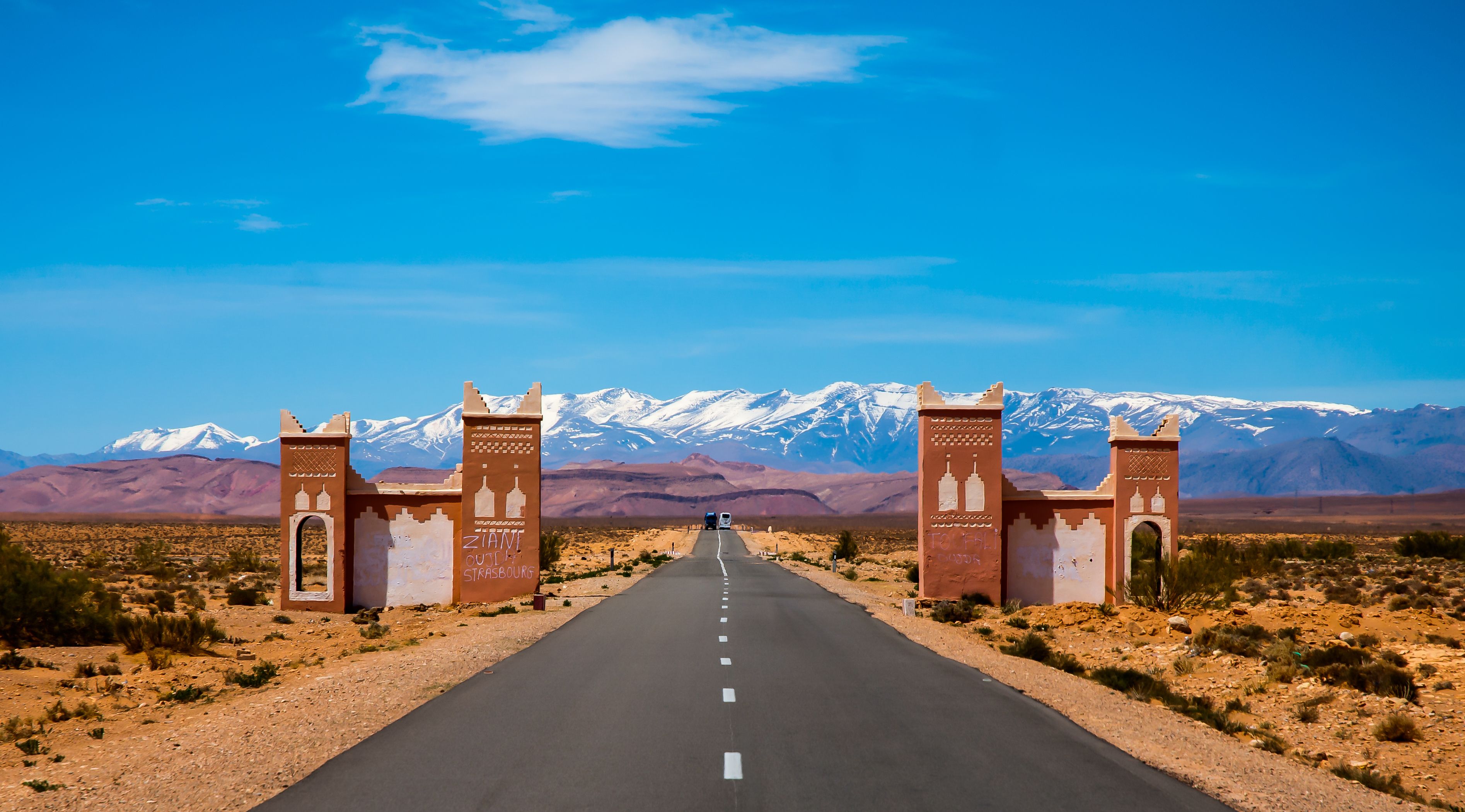
As you leave the city limits and the pavement gives way to winding mountain roads or dusty desert tracks, the rhythm of life undergoes a perceptible change. As you ascend into the Atlas Mountains or travel toward the deep reaches of the Sahara, the air becomes thinner, cooler, and carries the scent of wild thyme and cedarwood.
In these more traditional villages, the social fabric is woven differently. The community is often more tight-knit, and the customs of modesty are more closely observed in daily life. While you certainly won't be treated poorly for wearing modern clothing, a more conservative approach is a beautiful way to show respect for the local way of life.
Choosing longer skirts, linen trousers, or tops that cover the shoulders is a subtle nod to the values of the community. This isn't about hiding who you are, but about harmonizing with your surroundings. Dressing in Morocco with a bit more coverage in rural areas allows you to move through these villages with a sense of quiet belonging, opening doors to warmer, more spontaneous interactions with local families.
Respecting the Sacred Spaces
Beyond the urban-rural divide, there is the third dimension of travel: the spiritual landscape. Morocco is a land of profound faith, where the call to prayer echoes through the valleys and the sanctity of religious sites is deeply felt by the local population.
When visiting religious sites or smaller, community-based prayer areas, modesty becomes even more significant. In these moments, the goal is to honor the sanctity of the space. Bringing a light, elegant scarf in your bag is a practical and respectful way to transition from the heat of the street to the cool, hushed atmosphere of a sacred courtyard.
Choosing modest attire—such as linen trousers or longer dresses—when entering these spaces ensures that you are honoring the local customs of reverence. This thoughtful approach to dressing in Morocco allows you to experience the spiritual beauty of the country without distraction, ensuring your presence is seen as one of respect and admiration.
The Art of Layering and Practicality
Beyond the cultural nuances, there is the practical reality of Morocco’s diverse climate. You might find yourself sweating under the midday sun in a desert outpost, only to face a sudden, chilly breeze as the sun sets behind the dunes.
The secret to a successful wardrobe is the art of layering. Light, breathable fabrics like linen, cotton, and silk are your best friends for daytime exploration. These materials keep you cool while providing enough coverage to navigate different social settings easily. A versatile wrap or a light cardigan can be pulled out at a moment's notice to adapt to changing temperatures or more formal environments.
Think of your wardrobe as a collection of versatile pieces that can be adjusted. A well-cut midi skirt or a pair of stylish linen trousers can work for a morning stroll through a souk, a lunch at a luxury riad, or a trek through a mountain village. By focusing on high-quality, breathable fabrics, you make dressing in Morocco both an easy task and a comfortable experience throughout your journey.
Ultimately, the most important thing to remember is that your attire is a tool for connection. It is not about adhering to a rigid set of rules, but about understanding the context of where you are. When you dress with an awareness of your surroundings, you move through the world with grace, allowing you to focus entirely on the magic of the landscape and the warmth of the people.
Ready to experience the beautiful nuances of Moroccan culture firsthand? Our team specializes in crafting deeply personal itineraries that balance modern luxury with authentic, respectful local immersion—let us plan your journey.