
Mastering Moroccan Hammam Etqiquette: A Guide to the Ritual
The air in the narrow alleyway is cool, but as you step through the heavy, arched doorway of the riad, the atmosphere shifts instantly. A thick, humid warmth settles against your skin, carrying the faint, earthy scent of eucalyptus and the sweetness of orange blossom. This is the prelude to one of the most authentic sensory experiences in the kingdom: the ritual of the hammam.
For many travelers, the idea of a communal bath can feel daunting. You might wonder about the unspoken rules, the level of privacy, or whether you are truly prepared for the intense heat. Understanding Moroccan hammam etiquette is not just about knowing how to wash; it is about understanding a centuries-old ritual of purification and social connection.
A Tale of Two Temples
In Morocco, you will encounter two very different versions of the bathing experience. The first is the luxury spa-style hammam, often found within high-end riads. These are serene, quiet sanctuaries where the heat is controlled, the towels are plush, and the service is seamless. They are designed for relaxation, offering a gentle introduction to the ritual through aromatherapy and soft lighting.
Then, there is the traditional neighborhood hammam—the quartier hammam. This is where the heartbeat of the community lives. It is loud, bustling, and unapologetically raw. While the luxury versions are beautiful, the local hammam is a profound window into the daily lives of Moroccans. It is a place where neighbors catch up, gossip is shared, and the steam carries the voices of generations.
The Alchemy of the Scrub
The heart of the experience lies in the cleansing ritual, which is far more involved than a standard shower. It begins with the application of saboun beldi, a rich, dark olive oil soap that feels slippery and heavy on the skin. You apply it to your body in the heat, letting the soap sit for a few minutes to soften the skin.
Once the soap is rinsed away, the real work begins with the kessa. This is a coarse, specialized exfoliating glove used to scrub away dead skin. The sensation is intense—a vigorous, rhythmic scrubbing that can feel slightly abrasive at first. However, as the dark particles of skin are whisk-washed away, you are left with a feeling of lightness and renewal that no modern shower can replicate.
Mastering Moroccan Hammam Etiquette
Navigating the social nuances of a public bath is where most travelers feel hesitation. In a local hammam, modesty is still respected, but it is practiced differently than in the West. While it is common to be undressed, people typically use a small cloth or a towel to cover themselves while moving between rooms. It is a space of communal vulnerability, yet there is a practical decorum that maintains a sense of respect.
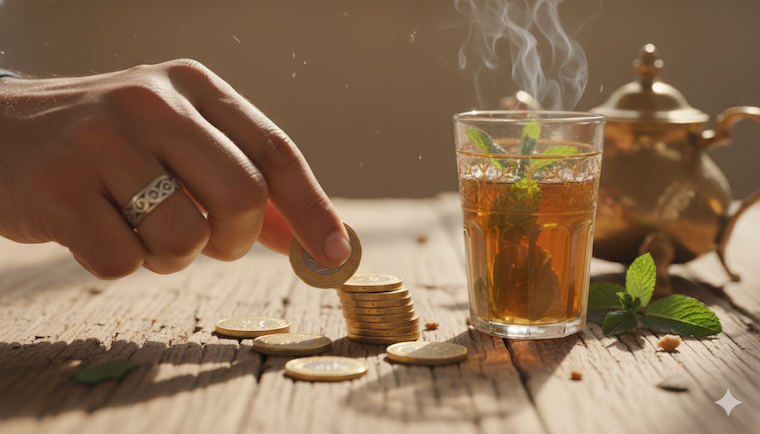
Knowing the right Moroccan hammam etiquette means being mindful of the space you occupy. In a crowded neighborhood bath, you must navigate the ebb and flow of people moving through the steam. It is also customary to leave a small pourboire (tip) for the attendants or the cleaners who maintain the facility. If you are using a private room within a local hammam, a tip is often expected for the staff who prepare the space for you.
Your Essential Carry-on
If you decide to visit a local neighborhood hammam, you cannot simply walk in with a toothbrush. You need to be prepared for the physical nature of the environment. A small plastic bucket, a stool to sit on, and a set of personal items are essential. You will want your own kessa glove, though many local shops sell them if you prefer to buy one on-site.
It is wise to bring your own slippers or flip-flops to protect your feet from the wet tiles. While many people use the communal water buckets, bringing your own small plastic jug can make the rinsing process much easier. Most importantly, bring an extra large towel to wrap yourself in when you exit, as the transition from the intense steam to the cooler air can be quite a shock to the system.
Finding Your Rhythm
The key to a successful first visit is to observe and follow the rhythm of the room. In the local baths, the heat is often intense, and the process can be physically demanding. Don't be afraid to take your time. Some people spend an hour in the heat, while others might linger for much longer.
If the heat becomes overwhelming, do not hesitate to step out into the cooler corridors or the vestibule. The goal is purification, not endurance. Once the scrub is complete and the rinses are done, you will find yourself in a state of blissful, heavy relaxation. It is the perfect moment to sit quietly, perhaps with a glass of mint tea waiting for you outside, as your body accliments to the sudden coolness of the air.
Stepping into a Moroccan hammam is a transition from the external world of noise and movement into an internal world of heat and reflection. It is a ritual that strips away more than just the dust of travel; it clears the mind and refreshes the spirit.
Ready to experience the authentic pulse of Morocco? Our team specializes in creating deeply immersive itineraries that balance luxury with local tradition—reach out and let us plan your journey.