
Understanding Morocco's Tipping Culture
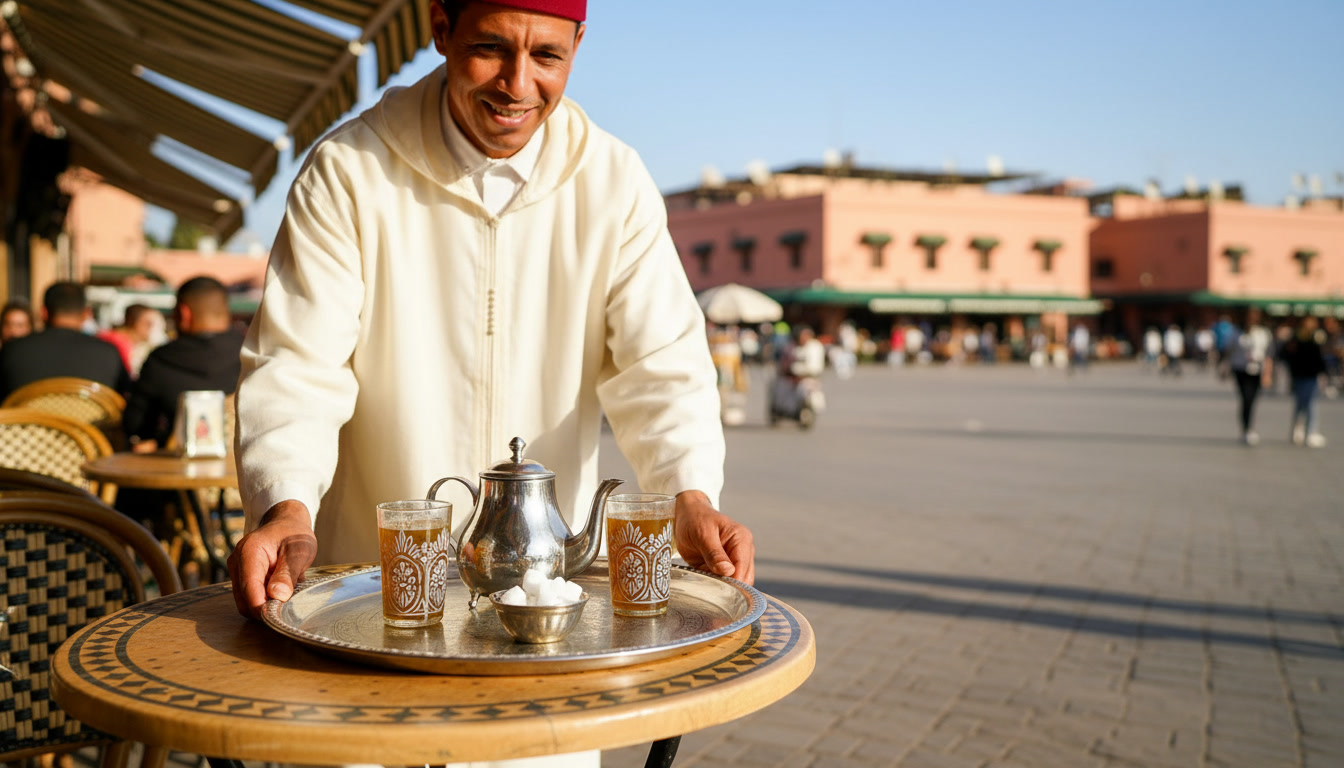
The scent of fresh mint tea and orange blossom wafts through the air as you settle into a carved wooden chair at a bustling cafe in Marrakech. The waiter, moving with a practiced grace, sets a steaming glass before you and offers a polite nod. As you reach for your wallet to settle the bill, a small moment of hesitation creeps in.
Is this much enough? Should I have left more? Is there an expectation I’m missing?
Navigating the nuances of Morocco tipping culture can feel like solving a puzzle, especially when the social rules seem to shift between traditional customs and modern tourism. For many travelers, the transition from a structured Western tipping system to the more fluid local customs can be confusing. However, understanding the spirit behind these gestures turns a moment of social anxiety into an act of genuine connection.
The Tradition of 'pourboire'
To understand modern customs, one must look at the historical concept of pourboire / baksheesh . While often translated simply as a "tip," the term carries a much deeper weight in Moroccan society, rooted in the idea of social flow and communal support. Historically, baksheesh was a way to acknowledge a small kindness or to assist someone in need, acting as a lubricant for social interactions.
In the past, this wasn't about a standardized percentage of a bill, but rather a gesture of gratitude or a way to facilitate a service. It was never a rigid requirement, but rather a way to honor the person who provided help or hospitality. This history is why the current Morocco tipping culture can sometimes feel unpredictable to those used to strict percentage-based rules.
The essence of the gesture remains: it is a way to say "thank you" for an interaction that went beyond the purely transactional. When you approach tipping through this lens of gratitude rather than obligation, the awkwardness begins to fade.
Dining and Hospitality Etiquette
When you sit down for a meal, the rules of engagement change depending on the setting. In high-end restaurants in cities like Casablanca or Rabat, you will often find a service charge already included in the bill. In these instances, leaving a few extra Dirhams to round up the total is a common and appreciated way to show appreciation to your server.
In more casual, local eateries—the kind where the steam from a tagine clouds your glasses—tipping is much more informal. Here, it is common to leave small change or round up the bill if you are paying in cash. If you are traveling in a group and the service was particularly attentive, leaving a slightly larger amount is a wonderful way to acknowledge the effort of the staff.
In hotels, the etiquette follows a similar pattern. A small tip for a porter who carries your heavy leather suitcases up a winding staircase is standard. It is a quick, tactile acknowledgment of their physical labor. Just as you would in any other country, these small gestures ensure that your stay is marked by mutual respect.
Professional Service and Guides
The most significant aspect of Morocco tipping culture involves professional services, such as tour guides, drivers, and mountain trekking instructors. These individuals provide specialized knowledge and often work long, grueling hours to ensure your safety and comfort. Because their work is labor-intensive and deeply personal, the tipping expectations are higher.
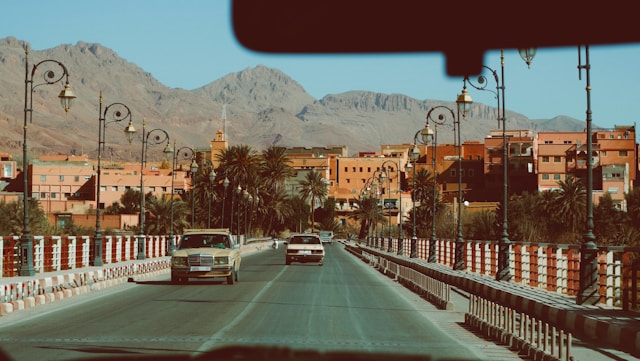
A tip for a driver who navigates winding Atlas Mountain roads or a guide who brings the history of a medieval medina to life is not just a "bonus"—it is an essential part of the professional relationship. It is customary to tip these professionals at the end of a tour or at the conclusion of a multi-day journey.
A good rule of thumb is to consider the level of expertise provided and the duration of the service. For a full-day guided tour, a generous tip is a respectful way to honor their expertise. For much of the work, these professionals rely on these gestures to supplement their income, making your gratitude a meaningful contribution to their livelihood.
Navigating the Street Hustle
One of the most challenging parts of traveling in Morocco is knowing when a gesture is appropriate and when it might be intrusive. In the crowded souks, you may encounter individuals offering directions, help with photos, or assistance with shopping. While a small coin may occasionally be appropriate for a specific service, constant small-scale tipping can lead to an environment of persistent expectation.
This is where the "harm" in tipping culture can occur. If a tourist becomes a constant source of small change, it can inadvertently encourage "the hustle," where individuals focus more on soliciting tips than on providing genuine service. This can lead to an atmosphere where travelers feel hounded and locals feel pressured.
To avoid this, remember that tipping should always be a response to a service rendered or a kindness received. If someone is simply hovering or being overly pushy without providing a clear service, a polite but firm "No, thank you" is perfectly acceptable. Maintaining your boundaries is not rude; it is a way to ensure that interactions remain authentic and respectful for both parties.
Finding the Right Balance
The key to mastering Morocco's tipping culture is to move away from the idea of a "correct" amount and toward the idea of "right" intention. Tipping should never feel like a tax you are paying to avoid discomfort. It should feel like a natural extension of your gratitude for a meal well-cooked, a room well-prepared, or a story well-told.
If you find yourself in a situation where you feel pressured, take a breath and remember that you are a guest, but you are also an individual with autonomy. A polite refusal is a valid social tool. On the other hand, when you encounter someone who goes above and beyond—perhaps a driver who waits patiently in the heat or a guide who anticipates your every need—a generous tip is a beautiful way to close the chapter on your interaction.
By staying observant and acting with intention, you will find that the people of Morocco respond to your generosity with warmth. You aren't just paying for a service; you are participating in a long-standing tradition of human connection.
Tipping is just one of those small details that can make or break a moment. When you travel with us, we make sure you arrive prepared — from customs and etiquette to the best places only locals know. Get in touch and let us handle the details.