
The Rhythm of Motion: A Guide to Public Transport in Morocco
The morning air in Casablanca often carries a mix of salty Atlantic breeze and the faint, metallic scent of the city's bustling transit hubs. To stand at a busy intersection here is to witness a country in constant, rhythmic motion, a place where ancient traditions of movement meet the lightning-fast pace of modern development.
Understanding the pulse of this movement is essential for anyone looking to truly immerse themselves in the Moroccan landscape. It is not just about getting from point A to point B; it is about understanding the social fabric that connects our mountains to our coasts.
A Nation in Motion
Since gaining independence, the landscape of travel has undergone a profound transformation. What once relied heavily on rugged, individual journeys across dusty trails has evolved into a sophisticated, multi-layered network of connectivity.
The evolution of public transport in Morocco is a story of rapid modernization and strategic investment. From the post-independence era of building foundational roads to the recent introduction of high-speed rail, the country has worked tirelessly to bridge the gap between its urban centers and its remote, breathtaking hinterlands.
As you ride through the changing scenery, you can feel the weight of this history. The transition from the slow, deliberate pace of traditional travel to the high-velocity transit of today is felt in every kilometer of asphalt and every inch of steel track.
The Colorful Logic of Taxis
In the heart of our cities, the "petit taxi" is the undisputed king of local movement. These small, brightly colored vehicles—red in Casablanca, blue in Rabat or Tangier, and yellow in Marrakech—are the lifelines of urban life.
They are designed for short, intra-city hops, whisking passengers through narrow streets where larger vehicles simply cannot go. The sudden chirp of a horn or the rhythmic click of a meter provides a constant soundtrack to the urban experience.
When you need to travel between cities, the "grand taxi" takes over. These larger, often shared vehicles operate on set routes, offering a more communal, albeit sometimes cramped, way to traverse the highways.
Sitting in a grand taxi, you might find yourself shoulder-to-shoulder with a local merchant or a student, sharing a space that feels both intimate and fleeting. It is a unique way to witness the social dynamics of the country firsthand, feeling the vibration of the engine as you pass through olive groves and desert fringes.
The Iron Backbone of the Kingdom
If the taxis represent the nimble spirit of the streets, the national rail network represents the strength and ambition of the state. The ONCF (Office National des Chemins de Fer) has transformed the way people move across the long stretches of the Moroccan coastline.
The introduction of the "Al Boraq," Africa's first high-speed train, has been a game-changer for both locals and visitors. Traveling at incredible speeds, it glides through the landscape with a silent, powerful elegance that makes the vast distances between Tangier and Casablanca feel almost negligible.
The sensation of the train pulling out of the station is a mix of smooth acceleration and the quiet hum of advanced engineering. For the modern traveler, utilizing this part of the public transport in Morocco is often the most efficient way to bridge the gap between the Mediterranean and the Atlantic.
Reliable Routes via Bus and Coach
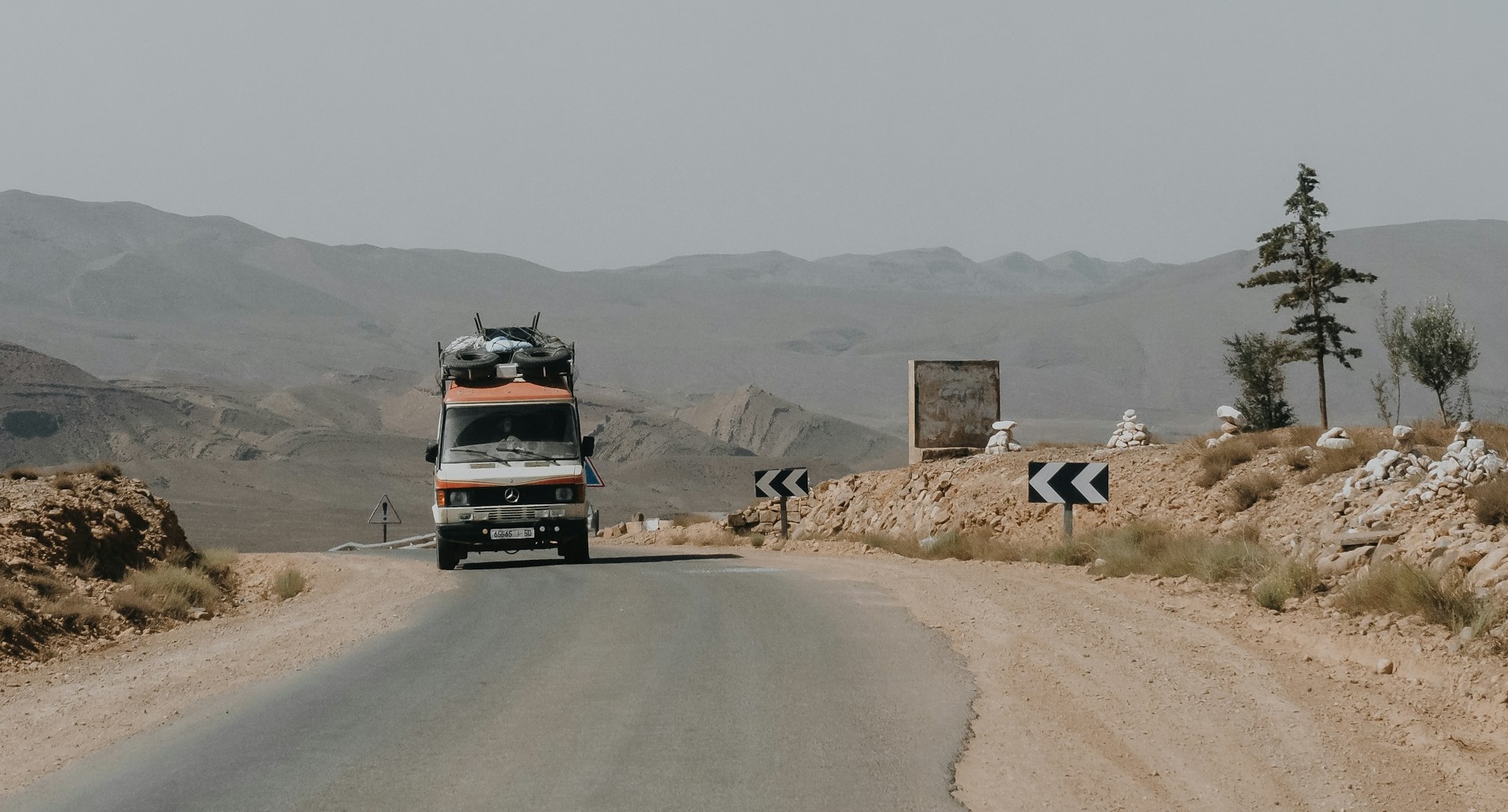
For those venturing toward the more rugged terrains or the winding roads of the Atlas Mountains, the bus network remains an essential pillar of connectivity. Companies like CTM and Supratours have set the standard for reliable, scheduled travel across the country.
These services offer a level of comfort and predictability that is vital for long-distance journeys. The coaches are often well-maintained, providing a much-needed sanctuary of air-conditioned relief from the midday heat.
There is a specific kind of magic in a long-distance bus ride through the mountains. As the bus climbs higher, the air grows cooler and the scent of cedarwood begins to drift through the vents, reminding you of the wild beauty that lies just beyond the window.
These routes are the arteries that reach the smaller towns, ensuring that even the most tucked-away villages remain connected to the pulse of the nation.
Navigating the Changing Landscape
The rapid development of public transport in Morocco has significantly impacted how tourism functions. While it has made the country more accessible than ever before, it also requires a certain level of adaptability from the traveler.
The sheer variety of options can be overwhelming at first. One moment you are navigating a high-tech train station, and the next, you are negotiating a seat in a shared vehicle in a bustling medina.
However, this complexity is part of the adventure. The growth of the transport sector means that more people can experience the diverse landscapes of Morocco, from the blue streets of Chefchaouen to the golden dunes of Merzouga, with increasing ease.
The shift toward better infrastructure is not just about speed; it is about equity, ensuring that every corner of this beautiful country can be reached. For the traveler, it means the opportunity to move through a living, breathing culture with increasing fluidity.
Designing Your Perfect Journey
While the evolution of transport offers incredible opportunities, navigating these different layers of movement can be a daunting task for the first-time visitor. The nuances of local etiquette, the scheduling of different services, and the logistics of transfers require a careful eye.
We believe that travel should be an exploration of beauty, not a struggle with logistics. Our team specializes in blending the efficiency of modern transit with the authentic, soul-stirring experiences of local travel.
Whether you want to glide on high-speed rail or require a private driver to navigate the winding mountain passes, we handle the details so you can focus on the view.
Ready to experience the rhythm of Morocco without the stress of the logistics? Our team specializes in creating seamless, expertly routed itineraries that bridge the gap between modern comfort and authentic discovery—reach out and let us plan your journey.